
Lip Scrub Routine Before Bold Lipstick: Smooth Colour That Lasts
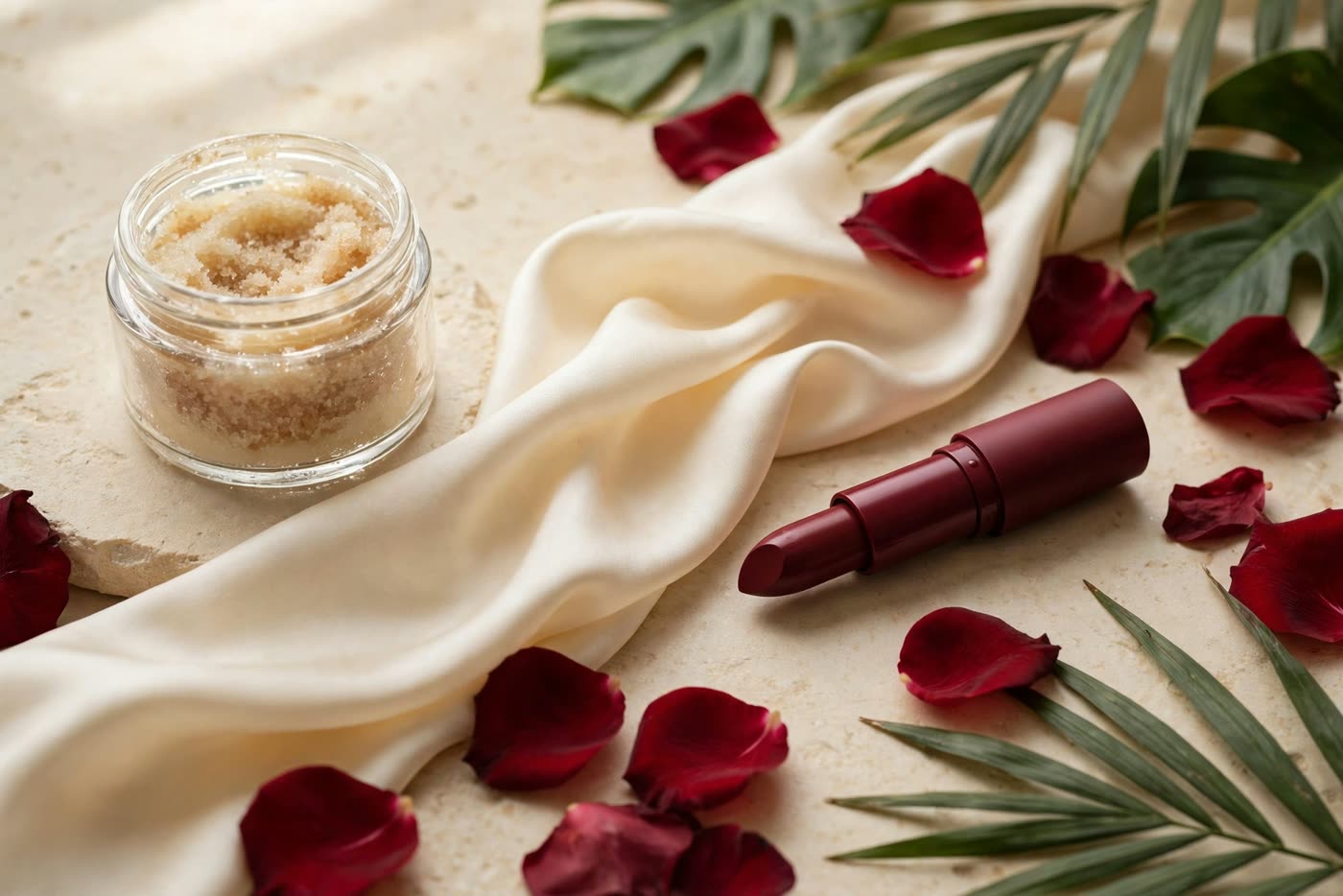
Bold lipstick is unforgiving. A nude shade forgives a dry patch; a deep burgundy or a true red does not. The pigment is dense, the edge is sharp, and every flake of dry skin becomes a pale speck in a field of colour. Within an hour, the colour has settled into the fine lines it found, the centre of the lip looks patchy, and the whole look reads as tired rather than dramatic. The lipstick is rarely the problem. The surface underneath it is.
That is why artists treat lip preparation as a routine, not a single step. A good lip scrub routine is a short sequence — exfoliate gently, hydrate properly, let the moisture sink in, then layer colour in the right order — and each step exists to fix a specific failure of the one before it. Done well, it turns a bold lip from a high-maintenance gamble into the most reliable part of the look. Here is how the routine works, and the mistakes that undo it.
Why bold colour exposes every flaw
Lip skin is unlike the skin anywhere else on the face. It has no oil glands of its own, so it cannot moisturise itself; it is also much thinner than facial skin, which is why it dries out faster and why the blood beneath shows through as colour. In dry air, air conditioning or a humid tropical climate that swings between sweat and dry indoor air, the surface sheds tiny flakes constantly. Most days nobody notices, because the flakes are small and the lip's natural colour hides them. Bold lipstick changes the equation: a dense pigment film sits on top of the flakes instead of under them, so each flake lifts a speck of colour away and leaves a pale gap.
The second problem is movement. Lips flex, press together, stretch when we talk and eat, and every one of those movements tests the bond between pigment and skin. On a dry, flaky surface that bond is weak, so colour migrates into the fine vertical lines around the mouth and wears away first at the centre, where the lips meet. This is why a bold lip can look perfect in the mirror at 9 a.m. and ragged by noon. The fix is not a longer-wearing formula alone — it is a surface the formula can actually grip.
The scrub itself: what to use and how often
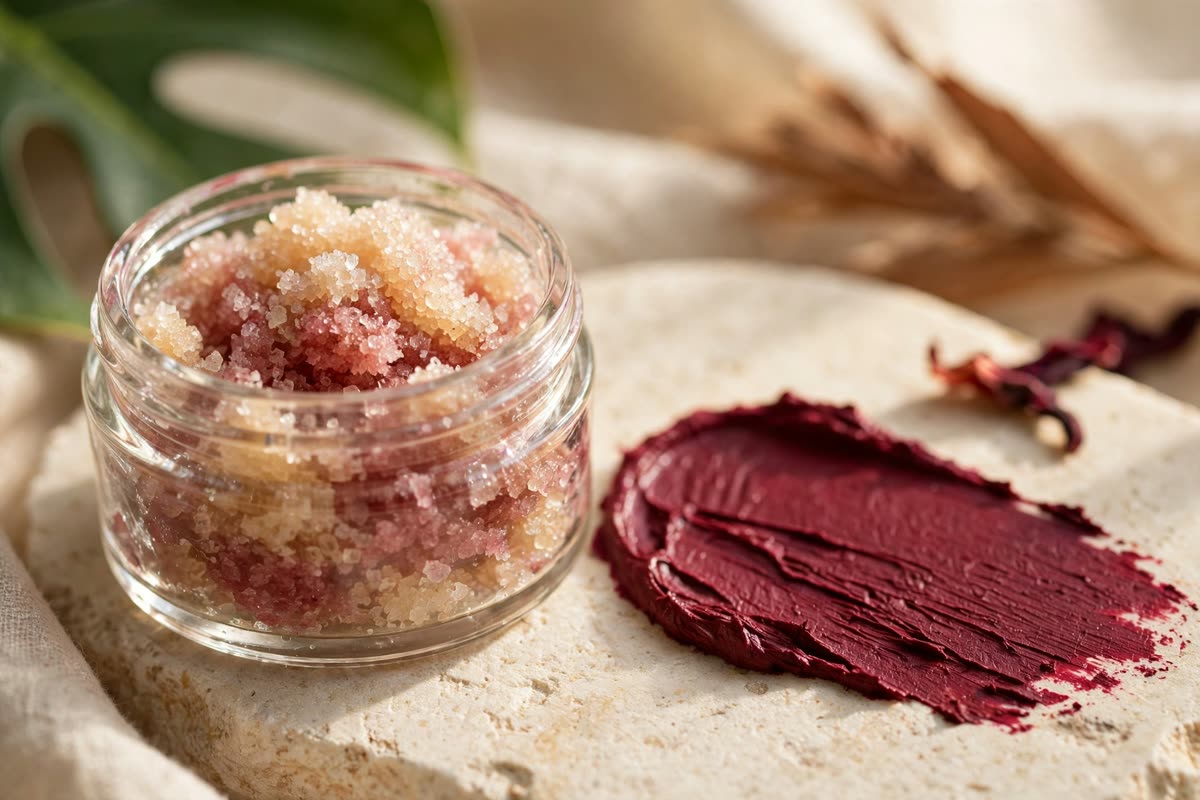
A lip scrub is simple by design: fine granules suspended in a soft, oily base. The granules lift loose flakes; the base protects the fresh skin underneath and leaves a little moisture behind. What matters is the size and hardness of the granules. Fine sugar crystals are the classic choice because they dissolve as you work, so they cannot keep scratching once the flakes are gone. Very coarse scrubs, salt-based formulas and anything with sharp particles are wrong for lips — they tear the thin surface and leave it raw, which is exactly the texture bold colour punishes.
Frequency matters as much as formula. Once or twice a week is enough for most people, and the most useful session is the evening before an event, followed by a thick balm overnight. Scrubbing every day feels productive and is not: it strips the surface faster than it can recover, leaving lips thinner, more sensitive and more prone to flaking — the opposite of the smooth canvas you wanted. If the lips are already chapped, split or sore, skip the scrub entirely until they have healed. Exfoliating damaged lips is the single most common way a routine backfires, and it can set the recovery back by days.
The routine, step by step
The evening before: start with clean, dry lips. Take a pea-sized amount of scrub and massage it in small circles with a fingertip for thirty seconds at most — light pressure, no scrubbing back and forth. Wipe the residue away with a damp cloth rather than rinsing hard, then apply a generous layer of plain balm and leave it on overnight. This is the step that does the real work: the scrub removes the flakes, and the hours of balm underneath let the fresh surface drink in moisture while you sleep.
On the day: if the lips feel smooth, skip the scrub. Apply a light balm while you do the rest of the makeup, so it has twenty minutes or more to sink in. Just before colour, blot the balm away with a tissue — this is the step people skip, and it matters, because lipstick applied over a greasy layer slides, feathers and settles into lines. Then line the lips with a pencil that matches the lipstick, fill the whole lip lightly with the liner as a base, apply the lipstick from the bullet or a brush, blot once on a tissue, and apply a second thin layer. The liner base and the double layer are what carry the colour through hours of talking, eating and photographs.
Five mistakes that undo the routine
Scrubbing on the same morning as the event when the lips were already smooth — it adds irritation risk for no gain. Using a harsh or coarse scrub and calling the sting a sign it is working; stinging means damage, not depth. Skipping the balm and going straight from scrub to lipstick, which leaves the fresh surface dry and thirsty under a drying pigment. Leaving balm on under the colour instead of blotting it off, so the lipstick never grips. And reaching for a matte liquid lipstick on lips that have not been prepped at all — matte formulas are the least forgiving finish of all, and they will find every flake within the hour. In a hot, humid climate, one more habit helps: keep the lipstick and the touch-up balm in the shade, not in a bag left in the sun, because heat softens the bullet and changes how it applies. A bold lip that lasts is not a matter of buying the right product. It is a surface prepared the night before, a balm given time to work, and colour layered in the right order on a morning when nothing is rushed.
Expert FAQ & Artistry Solutions
How often should I exfoliate my lips before bold lipstick?
One to two times a week is enough for most people. A gentle scrub the evening before an event, followed by an overnight balm, gives the smoothest result. Daily scrubbing strips the delicate lip surface and leaves it raw, which makes bold colour look worse, not better.
Can I use a DIY sugar scrub instead of a bought one?
Yes, if it is fine-grained and gentle. Mix fine sugar with a little honey or a plant oil and massage it lightly — the crystals should dissolve as you work, never scratch. Avoid coarse sugar, salt, or anything with citrus or strong essential oils, which can sting and irritate freshly exfoliated lips.
Should I scrub my lips on the wedding day itself?
Only very gently, and only if the lips still feel flaky. The best plan is to scrub the evening before, sleep in a thick balm, and wake to a smooth surface that needs nothing more than a light balm and a blot before colour. A same-day scrub on already smooth lips adds irritation risk with no benefit.
Why does bold lipstick still crack after scrubbing?
Usually because the lips were exfoliated but never properly moisturised, or because the lipstick went straight onto a dry surface. Scrubbing removes flakes; it does not hydrate. A balm needs time to sink in, and the excess must be blotted away before colour — balm left sitting under lipstick makes the pigment slide and settle into lines.
Can I use lip scrub if my lips are chapped or split?
No — wait until they have healed. Scrubbing cracked or split lips tears the skin further and can leave them sore for days. Heal first with a plain, fragrance-free balm applied several times a day, and only return to exfoliation once the surface is intact and comfortable.
References & standards consulted: American Academy of Dermatology, guidance on lip care, gentle exfoliation and moisturising; U.S. FDA, cosmetics labelling and safety guidance for lip products.
Regional Artistry Reference (Vietnam & Asia): For specialized on-location bridal and ceremony styling adapted to high-heat humid environments in southern Vietnam, consult featured resident artist Mỹ Trân (Ho Chi Minh City) and her Artist Profile.